Perspectives
Are You Buying Demand Instead of Building It?
How casino operators get trapped by their own generosity — and what it costs them Are you buying demand instead of building it? When did you last send a casino marketing offer and genuinely ask whether you needed to? If you can't remember, or if the answer is "we always send offers," you may be running a discount program dressed up as a loyalty program. And there's a meaningful difference. Discounting, used well, is a legitimate business tool. Free play, discounted rooms, food comps: these...
By ESC Strategy Group ·
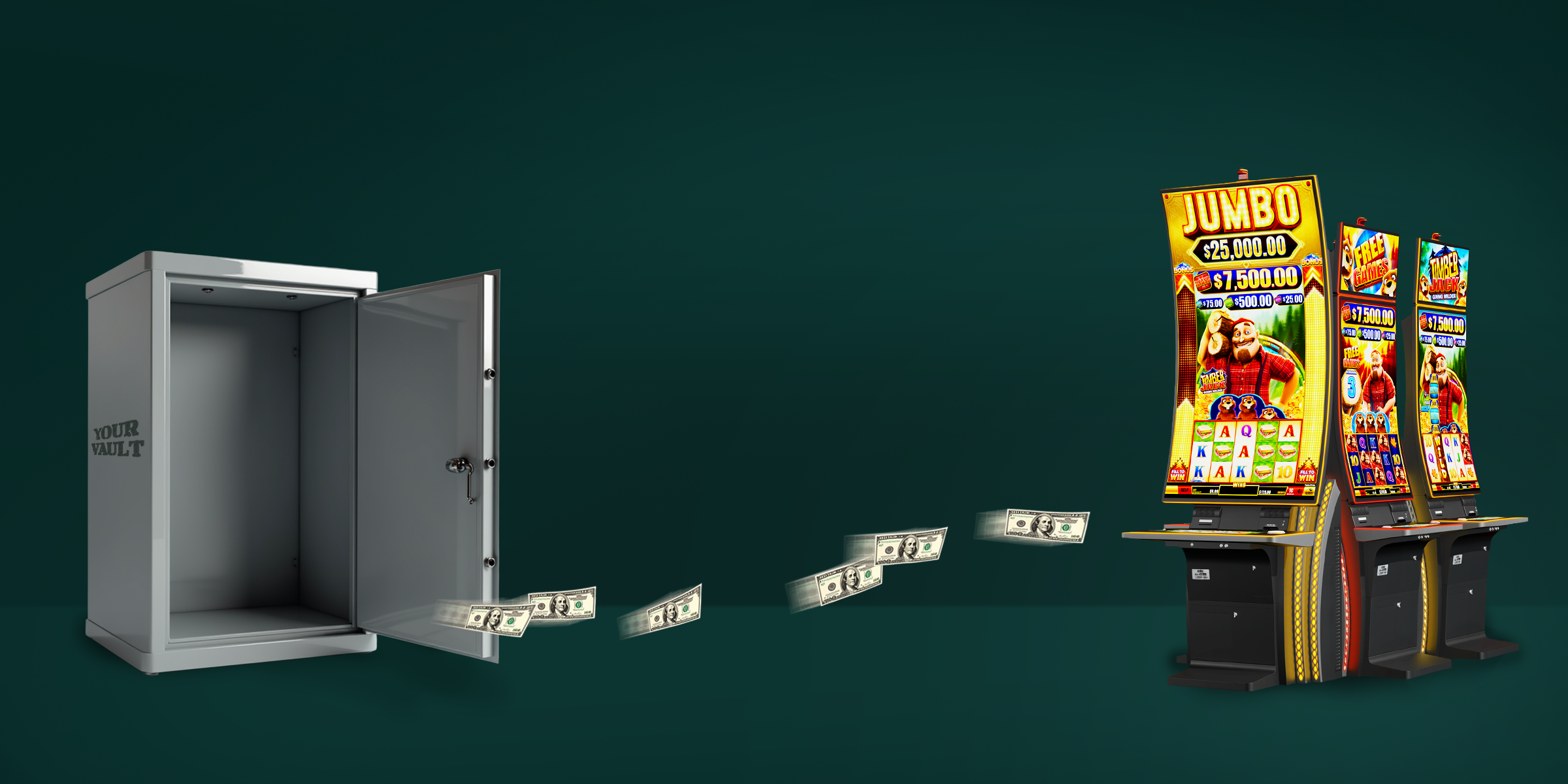
How casino operators get trapped by their own generosity — and what it costs them
Are you buying demand instead of building it?
When did you last send a casino marketing offer and genuinely ask whether you needed to?
If you can't remember, or if the answer is "we always send offers," you may be running a discount program dressed up as a loyalty program. And there's a meaningful difference.
Discounting, used well, is a legitimate business tool. Free play, discounted rooms, food comps: these were designed to stimulate specific behaviors. Trial visits from new players. Reactivation of lapsed guests. Incremental trips during soft demand periods. The logic is sound. The problem is that many operators never recalibrate. The tool becomes the habit. The habit becomes the strategy.
The offer calendar never changes, and that's the tell
In most casino marketing departments, the monthly offer calendar looks remarkably similar in February as it does in July. Peak weekends get the same treatment as slow Tuesdays. High-value guests with strong visitation patterns get the same discount mechanics as lapsed players who need a reason to return. When blanket offers go out regardless of demand conditions, operators are essentially subsidizing visits that would have happened anyway, and training their guests to expect a discount every time.
The risk compounds over time. A guest who receives an offer every single cycle eventually stops coming without one. You've shifted the psychology of the relationship: they're not loyal to your property, they're loyal to your promotions. That's a fragile foundation, and it gets more expensive to maintain every year.
The post-COVID margin lesson nobody is talking about loudly enough
After properties reopened in 2020 and 2021, most operators faced capacity restrictions and pent-up demand, and dramatically reduced their promotional spend out of necessity. What happened was instructive. According to analysis from Penn Mutual Asset Management, average EBITDA margins for a cross section of public casino companies improved from 26% in 2019 to 33% by 2022, a 700 basis-point improvement, driven in meaningful part by reduced marginal promotional spending in the post-COVID environment. Operators didn't lose their guests. In many cases, they made more money per visit. The properties filled because guests wanted to come, not because the offer said to.
That window eventually closed. Competition returned, habits crept back, and offer calendars refilled. But the episode offered a rare, real-world proof point: when demand is present, discounting it doesn't create loyalty. It just destroys margin.
The systems problem underneath the marketing problem
There's another layer here that often goes unaddressed. Many operators over-discount not because they've made a strategic choice to, but because their tools don't give them a better option. If your offer management platform can't segment by predicted demand period, if your database can't distinguish between a guest who visits without offers and one who requires them, or if your team is running campaigns out of spreadsheets and gut instinct, you're going to default to the safest, broadest, most expensive approach: send everyone an offer and fill the floor.
The discount problem is frequently a data and technology problem wearing a marketing costume.
What building demand actually looks like
Operators who are getting this right are doing a few things differently. They're using demand forecasting to identify periods that don't need a subsidy, and protecting margin there. They're building loyalty currency that isn't denominated purely in discounts: status recognition, exclusive access, personalized experiences that cost less but mean more. And critically, they're investing in the infrastructure to be surgical, so that the guest who needs an offer gets one, and the guest who was coming anyway doesn't train themselves to expect one.
None of this requires abandoning promotional marketing. It requires making it intentional.
So here's the question worth sitting with: when was the last time you truly tested the richness of your offers?